
Recommended reading
-
![]()
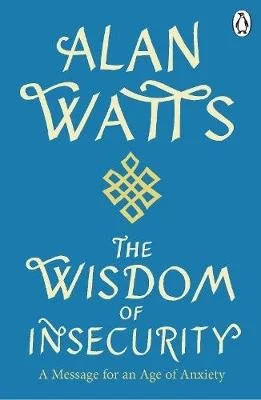
Wisdom of Insecurity – Alan W. Watts
The Wisdom of Insecurity invites readers to stop fighting uncertainty and return to the present moment. Drawing on Eastern philosophy, Alan Watts explores how anxiety grows from trying to control an inherently changeable life. It may resonate with people exploring mindfulness, anxiety, or the search for steadiness in uncertain times.
-
![]()
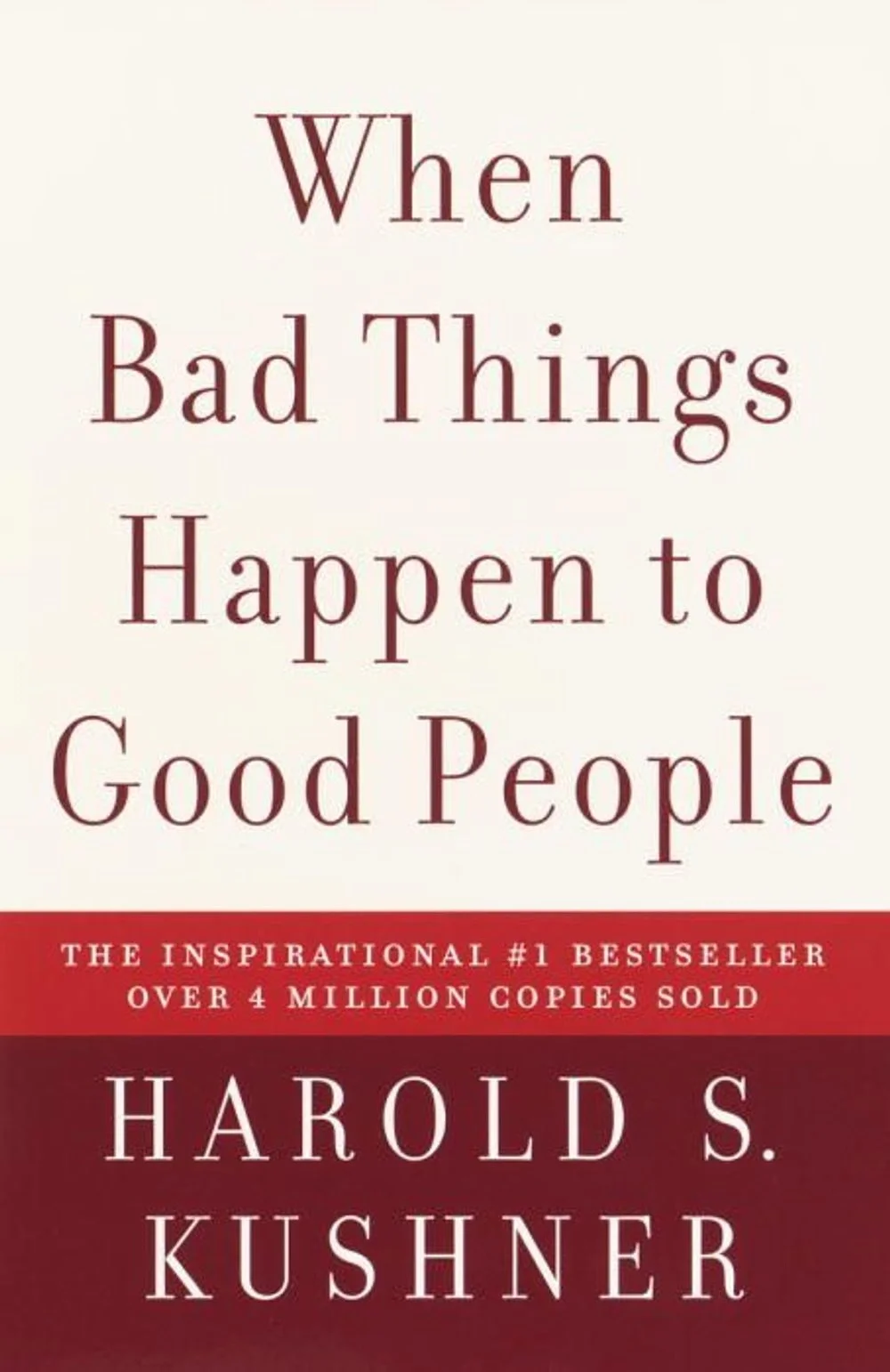
When Bad Things Happen to Good People - Harold S. Kushner
Rabbi Harold Kushner offers a compassionate reflection on grief, suffering, faith, and the questions that arise when tragedy feels unfair. Rather than offering simple explanations for pain, the book provides comfort, validation, and a way of making meaning without self-blame. It can support people navigating bereavement, illness, or loss.
-
![In the Realm of Hungry Ghosts — Gabor Maté]()
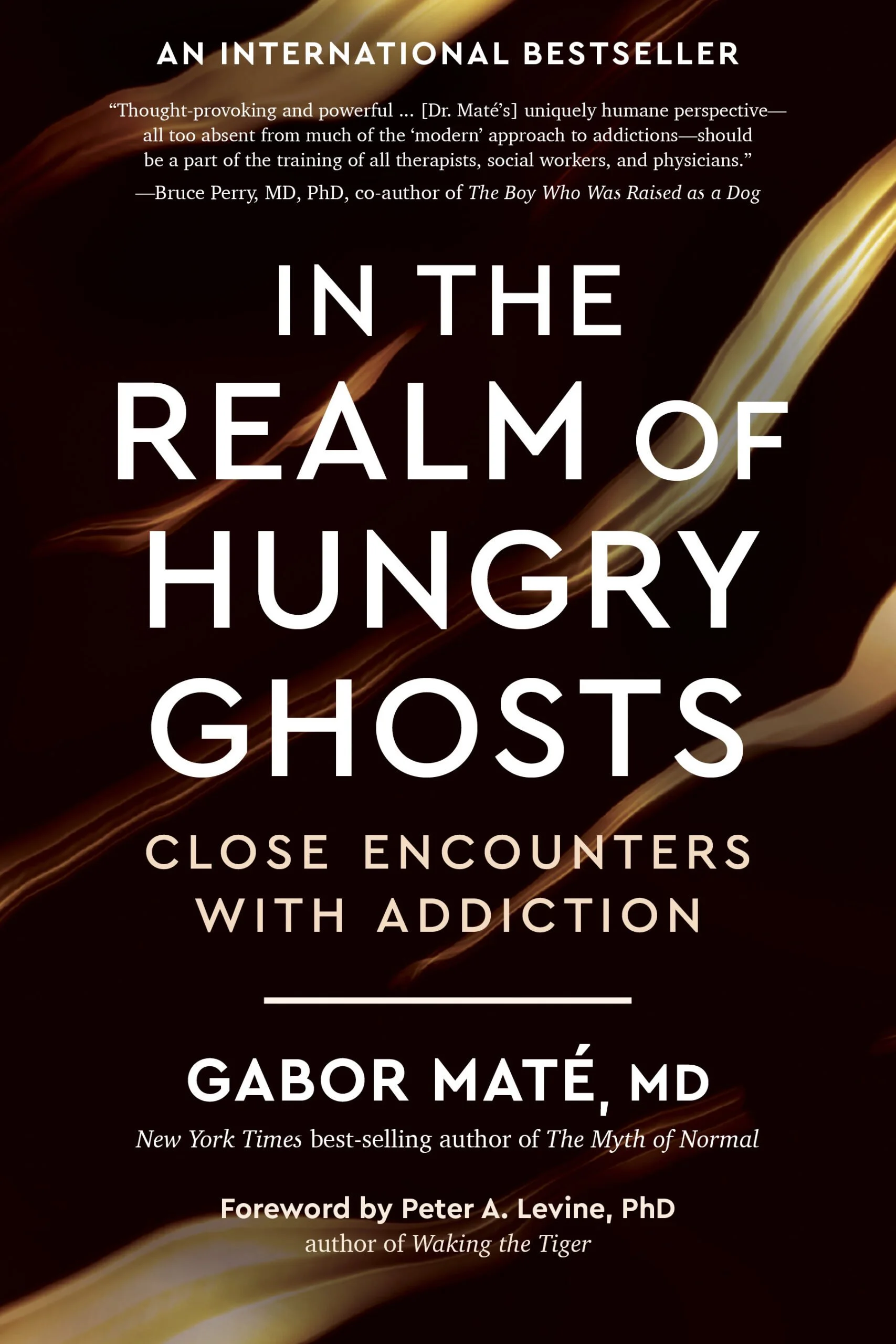
In the Realm of Hungry Ghosts — Gabor Maté
Dr Gabor Maté offers a compassionate understanding of addiction as rooted in trauma, pain, and unmet emotional needs rather than personal weakness. Through patient stories and research, he explores how addiction can become a way of coping with distress, alongside pathways toward connection and recovery. It is valuable for anyone seeking a trauma-informed view of addiction.
-
![The Power of Now — Eckhart Tolle]()
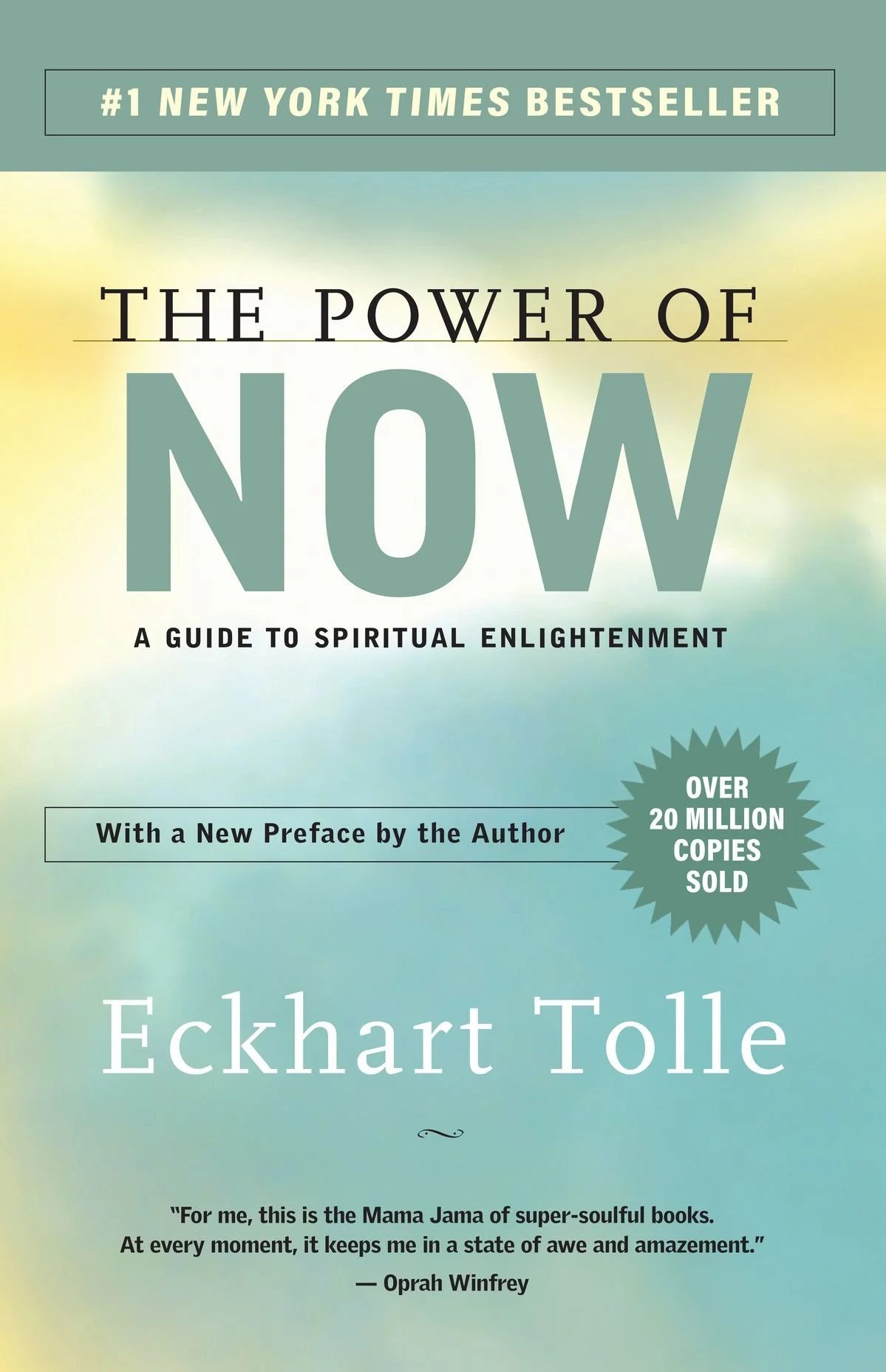
The Power of Now – Eckhart Tolle
The Power of Now explores how suffering often comes from dwelling on the past or worrying about the future. Eckhart Tolle invites readers to practise present-moment awareness and develop a calmer relationship with difficult thoughts and feelings. It suits readers interested in mindfulness, anxiety, and overthinking.
-
![Man’s Search for Meaning – Viktor E. Frankl]()
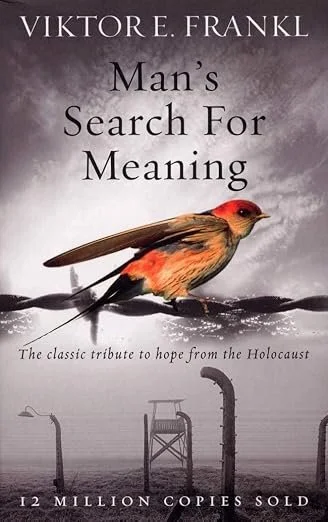
Man’s Search for Meaning – Viktor E. Frankl
Viktor Frankl reflects on his survival of Nazi concentration camps and the psychological insights that emerged from that experience. He argues that even in extreme suffering, people can find purpose and choose how they respond. It is a powerful read for those facing grief, adversity, or major life transitions.
-
![How Will I Ever Get Through This? – Lucy Hone]()
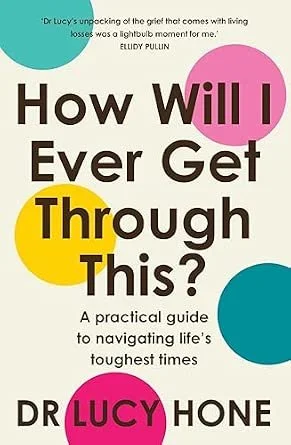
How Will I Ever Get Through This? — Lucy Hone
Lucy Hone blends her personal experience of sudden loss with research-based ideas about coping and resilience. The book offers practical, compassionate guidance for grief, trauma, and overwhelming change, showing that resilience is not forced positivity but finding ways to keep moving through hardship.
The Warehouse or Amazon or listen on Audible
-
![The Boy Who Was Raised as a Dog]()
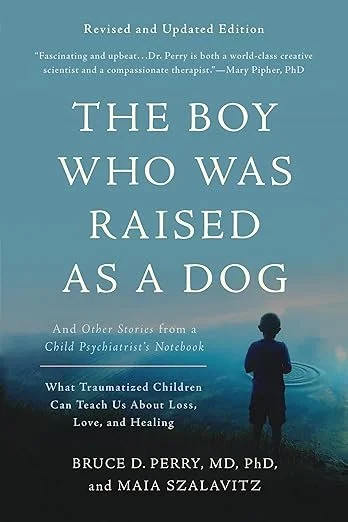
The Boy Who Was Raised as a Dog – Bruce D. Perry and Maia Szalavitz
Through memorable clinical stories, this book explains how early trauma, neglect, and disrupted attachment can shape a child’s brain, behaviour, and relationships. Bruce Perry shows that healing is possible through safety, attuned relationships, and sensitive support. It is an accessible introduction to developmental trauma.
-
![Chasing the Scream — Johann Hari]()
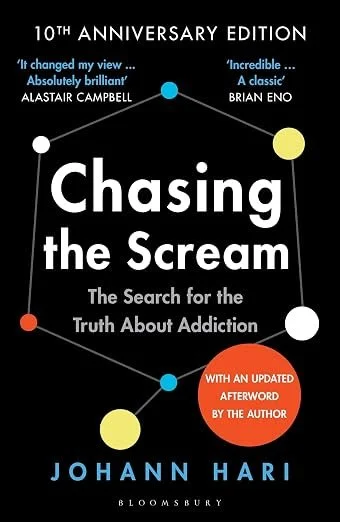
Chasing the Scream – Johann Hari
Chasing the Scream examines the war on drugs and asks why people use substances, what drives addiction, and how society responds to drug-related harm. Johann Hari blends journalism, research, and personal stories to highlight the roles of trauma, connection, and belonging. It encourages a more compassionate conversation about addiction and recovery.
-
![The Anxious Generation — Jonathan Haidt]()
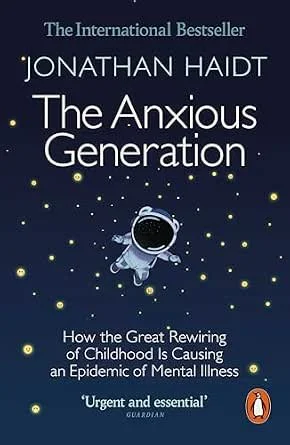
The Anxious Generation — Jonathan Haidt
Jonathan Haidt explores why anxiety and distress have risen among young people, focusing on the shift from play-based childhoods to smartphone-centred adolescence. He considers the effects of social media, reduced independence, and sleep disruption on mental health. The book offers practical ideas for parents, educators, and communities.
-
![Belonging — Owen Eastwood]()
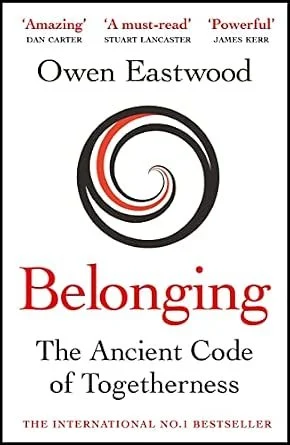
Belonging – Owen Eastwood
Belonging explores the human need to feel connected to others, place, culture, ancestry, and shared purpose. Owen Eastwood considers how belonging strengthens identity, resilience, and collective wellbeing. It is a thoughtful read for anyone interested in connection, community, and identity.
-
![Scattered Minds — Gabor Maté]()
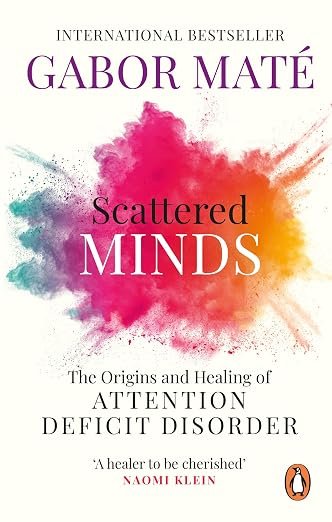
Scattered Minds – Gabor Maté
Dr Gabor Maté explores ADHD through a developmental and relational lens, considering how genetics, early stress, and attachment experiences shape attention and emotional regulation. The book combines personal reflection, clinical insight, and practical guidance, emphasising self-understanding rather than shame. It may help adults with ADHD, parents, and supporters.
-
![The Myth of Normal]()
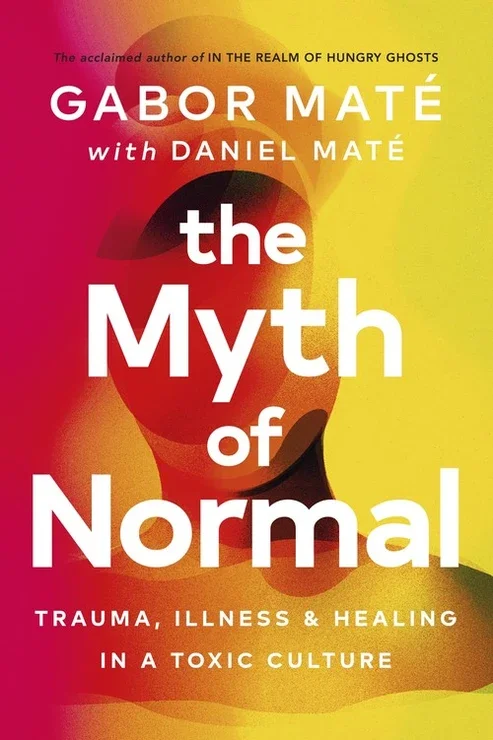
The Myth of Normal by Gabor Maté
The Myth of Normal explores how stress, trauma, disconnection, and the pressures of modern life can affect our mental and physical wellbeing. Gabor Maté invites readers to view many struggles not as personal failings, but as understandable responses to difficult experiences and environments. A compassionate, thought-provoking read for anyone seeking greater self-understanding, healing, and connection.
-
![The Body Keeps the Score — Bessel van der Kolk]()
The Body Keeps the Score — Bessel van der Kolk
The Body Keeps the Score explores how trauma affects the brain, body, relationships, and sense of safety. Bessel van der Kolk explains why traumatic experiences can remain stored in the body long after the event, and outlines approaches such as therapy, mindfulness, movement, and body-based practices that can support recovery. It is a widely read introduction to understanding trauma and the possibilities for healing.
-
![Atlas of the Heart — Brené Brown]()
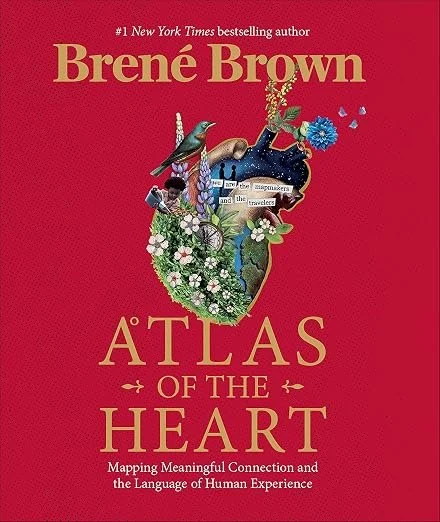
Atlas of the Heart — Brené Brown
Atlas of the Heart explores the language and experience of human emotions, helping readers better understand what they feel, why they feel it, and how emotions shape connection with others. Brené Brown offers accessible insights into experiences such as vulnerability, shame, joy, grief, and belonging, encouraging greater self-awareness and more meaningful relationships. It is a warm, practical read for anyone wanting to understand themselves and others with more compassion.